


Hear and Talk

Hearing Loss

Hearing loss is a prevalent condition that affects millions globally, ranging from mild to profound in severity. It can result from various factors such as aging, noise exposure, genetics, infections, and certain medical conditions. Understanding the signs, causes, and types of hearing loss is essential for seeking timely intervention and improving quality of life.

Signs and Symptoms of Hearing Loss

  • Difficulty Understanding Speech: Especially in noisy environments.
  • Frequent Repetition Requests: Asking others to repeat themselves often.
  • Increased Volume on Devices: Turning up the volume on TVs, radios, or other electronic devices.
  • Trouble Hearing High-Pitched Sounds: Difficulty hearing sounds like a phone ringing or birds chirping.
  • Perceived Mumbling: Feeling that others are mumbling or not speaking clearly.
  • Social Withdrawal: Avoiding conversations and social situations due to difficulty hearing.
  • Tinnitus: Experiencing ringing, buzzing, or hissing noises in the ears.

Causes of Hearing Loss

Age-Related (Presbycusis): Gradual hearing loss as a part of the natural aging process.

Noise-Induced: Long-term exposure to loud noises such as machinery, concerts, or firearms.

Genetic Factors: Inherited conditions that impact hearing.

Medical Conditions: Diseases such as otosclerosis or infections that affect the ear.

Trauma: Head injuries or accidents causing damage to ear structures.

Medications: Certain drugs that have ototoxic side effects, leading to hearing loss.

Congenital Factors: Hearing loss present at birth due to genetics, infections during pregnancy, or birth complications.

Types of Hearing Loss

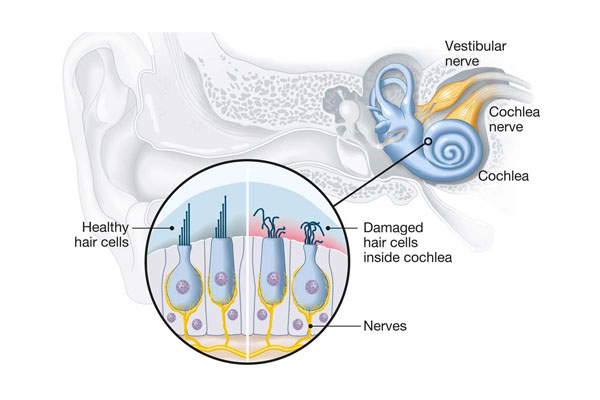
Sensorineural Hearing Loss

Caused by damage to the inner ear (cochlea) or the auditory nerve. It’s the most common type and often irreversible.
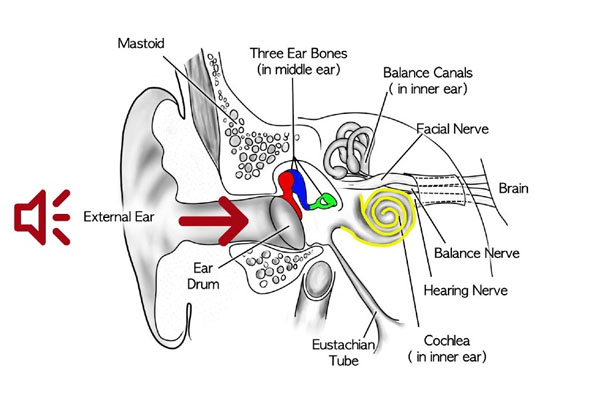
Conductive Hearing Loss

Resulting from problems in the outer or middle ear that prevent sound from reaching the inner ear. This type can sometimes be treated medically or surgically.
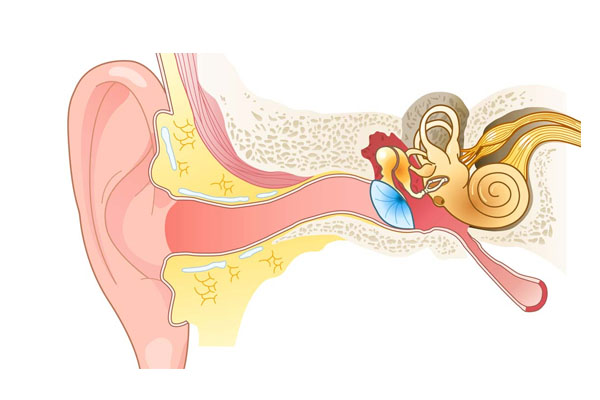
Mixed Hearing Loss

A combination of sensorineural and conductive hearing loss, affecting both the inner and outer/middle ear.

Understanding the different aspects of hearing loss helps individuals recognize the condition early and seek appropriate treatment. If you suspect hearing loss in yourself or a loved one, consulting with a qualified audiologist for a thorough evaluation and guidance is crucial.

Benefits of Joining Hear and Talk

Personalized Care
1. Individualized Treatment Plans

2. Holistic Approach

Innovative Technology

1. Online Therapy

2. Remote Assessments and Fittings

Convenience and Comfort

1. Home-Based Services

2. Flexible Scheduling

Supportive Community

1. Collaborative Approach

2. Ongoing Support

Experienced Professionals

1. Qualified Therapists

2. Continuous Learning

Accessibility

1. Broad Reach

2. Inclusive Services

Comprehensive Services

1. Wide Range of Therapies

2. Specialized Care

Quality Assurance

1. High Standards

2. Satisfaction Guarantee

Treatment

Early detection and intervention are key to effectively managing hearing loss. Treatment options may include hearing aids, cochlear implants, medications, or surgery, depending on the type and cause of hearing loss. Regular check-ups with an audiologist ensure optimal hearing health and improve overall quality of life.

Don't wait to address hearing concerns—early intervention can make a significant difference in maintaining and enhancing your hearing abilities.